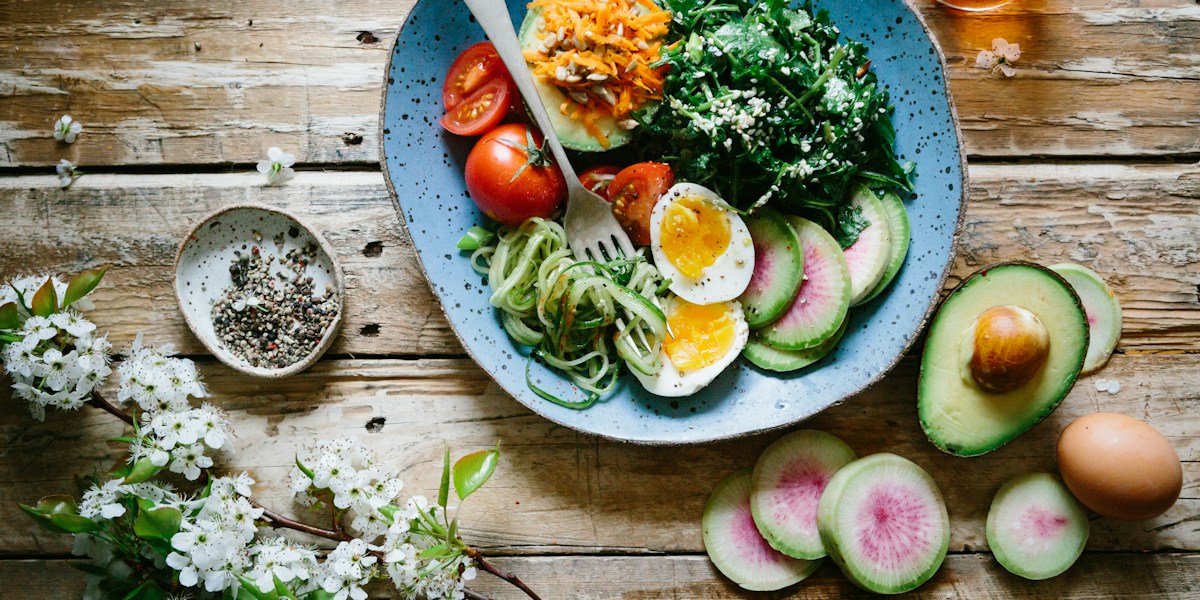
You know you should eat better. But between work, family, and everything else, who has time to cook healthy meals every day? By 6pm, you're exhausted, and the takeout menu is calling your name.
Meal prep is the solution—but not the Instagram version with 27 identical containers and color-coded vegetables. Real meal prep is simpler, more flexible, and actually sustainable for people with busy lives.
This guide will show you how to spend a few hours once a week setting yourself up for success, so healthy eating becomes the easy choice, not the hard one.
Why Meal Prep Works
The reason most healthy eating plans fail isn't lack of willpower—it's lack of preparation. When you're tired and hungry, you default to whatever's easiest. Meal prep makes healthy food the easiest option.
- Eliminates decision fatigue: No more standing in front of the fridge wondering what to eat
- Saves time: Cooking in batches is more efficient than cooking every day
- Saves money: You buy what you need, use what you buy, and avoid expensive last-minute takeout
- Reduces stress: Knowing dinner is handled removes one more thing from your mental load
- Supports health goals: When healthy food is ready to eat, you eat healthy food
The Simple Approach: Components, Not Complete Meals
Here's the mistake most beginners make: they try to prep complete, ready-to-eat meals. This gets boring fast, and you end up throwing away food you're sick of eating.
Instead, prep components—building blocks you can mix and match throughout the week. This gives you variety without extra work.
The Basic Formula
Every meal needs three things:
- Protein: Chicken, fish, beef, eggs, tofu, beans, etc.
- Vegetables: Roasted, raw, steamed, or sautéed
- Carbs/Grains: Rice, quinoa, pasta, potatoes, bread
Prep 2-3 options in each category, and you have enough variety for the entire week without getting bored.
Your First Meal Prep Session
Set aside 2-3 hours on a Sunday (or whatever day works for you). Here's a simple plan to get started:
Proteins (Choose 2)
- Baked chicken breasts: Season with salt, pepper, and garlic powder. Bake at 400°F for 20-25 minutes. Slice or shred for easy use.
- Hard-boiled eggs: Make a dozen. They last all week and work for breakfast, snacks, or salads.
- Ground turkey or beef: Brown with taco seasoning for easy taco bowls, or keep plain for versatility.
Vegetables (Choose 2-3)
- Roasted vegetables: Cut broccoli, bell peppers, zucchini, and onions. Toss with olive oil and salt. Roast at 425°F for 20-25 minutes.
- Raw vegetables: Wash and cut carrots, celery, cucumbers, and cherry tomatoes for easy snacking and salads.
- Leafy greens: Wash and dry lettuce or spinach. Store with a paper towel to absorb moisture.
Carbs/Grains (Choose 1-2)
- Rice: Cook a large batch. White rice keeps better than brown, but both work.
- Quinoa: Cooks in 15 minutes and adds protein.
- Roasted potatoes: Cut into cubes, toss with oil and seasoning, roast until crispy.
Extras
- Sauces and dressings: Having variety here prevents boredom. Keep salsa, hummus, tahini, soy sauce, and a good vinaigrette on hand.
- Healthy snacks: Portion out nuts, cut up fruit, or make energy balls.
Putting It Together
With prepped components, assembling meals takes 5 minutes or less:
- Monday lunch: Chicken + roasted vegetables + rice + teriyaki sauce
- Monday dinner: Ground turkey + lettuce + tomatoes + salsa = taco salad
- Tuesday lunch: Chicken + quinoa + raw veggies + hummus
- Tuesday dinner: Eggs + roasted vegetables + potatoes = breakfast for dinner
Same ingredients, different combinations, no boredom.
Essential Meal Prep Tools
You don't need fancy equipment, but these basics help:
- Good containers: Glass containers with locking lids are worth the investment. They don't stain, don't absorb odors, and are microwave-safe.
- Sheet pans: Two large sheet pans let you roast proteins and vegetables at the same time.
- A sharp knife: Prep goes much faster (and safer) with a quality chef's knife.
- A rice cooker: Set it and forget it. Perfect rice every time with zero effort.
Common Mistakes to Avoid
Prepping Too Much
Start with 3-4 days of food, not 7. Most prepped food tastes best within 4 days. You can always do a mini-prep midweek if needed.
Getting Too Complicated
Your first few weeks should be simple. Master the basics before trying elaborate recipes. Complexity is the enemy of consistency.
Forgetting About Texture
Some foods don't hold up well when prepped in advance. Crispy things get soggy, and delicate greens wilt. Keep dressings separate and add fresh elements when serving.
Not Seasoning Enough
Bland food is the death of meal prep motivation. Season generously, and vary your seasonings throughout the week for different flavor profiles.
Making It a Habit
The first few weeks of meal prep feel like extra work. But once it becomes routine, you'll wonder how you ever lived without it.
- Schedule it: Put meal prep on your calendar like any other appointment.
- Make it enjoyable: Put on music or a podcast. Pour yourself a drink. Make it your time.
- Start small: Even prepping just one component is better than nothing.
- Be flexible: If you don't finish everything, that's okay. It's better than throwing food away.
Sample Shopping List
Here's what a basic meal prep shopping list might look like:
- 2 lbs chicken breasts
- 1 lb ground turkey
- 1 dozen eggs
- 2 heads broccoli
- 3 bell peppers
- 2 zucchini
- 1 bag spinach
- 1 container cherry tomatoes
- 1 cucumber
- 2 cups rice
- 1 cup quinoa
- Olive oil
- Your favorite seasonings and sauces
Total cost: approximately $40-50, depending on your area. That's about $2-3 per meal.
The Bottom Line
Meal prep isn't about perfection or Instagram-worthy containers. It's about making healthy eating easier than unhealthy eating.
Start simple. Prep a few basic components. Mix and match throughout the week. Adjust based on what works for you.
"Failing to plan is planning to fail."
When healthy food is ready and waiting, you eat healthy food. It really is that simple.
What are your favorite meal prep tips? Share them in the comments below.